


Written by Sofia Campos
Medically reviewed by Isabela Sorgio (Nutritionist, Mindful Eating Specialist)
A great way to establish a healthy eating routine is to start with your grocery list. If you don’t have nutritious options at home, you might end up eating whatever is convenient timewise or ordering takeout. This often leads to more processed foods, added sugars, and fewer nourishing choices.
Eating a variety of minimally processed foods—rich in vegetables, fruits, whole grains, lean proteins, and healthy fats—supports better weight management, cardiovascular health, and a lower risk of chronic disease. Below is a detailed grocery list to help guide your choices.
1. Vegetables: The Core of Balanced Nutrition

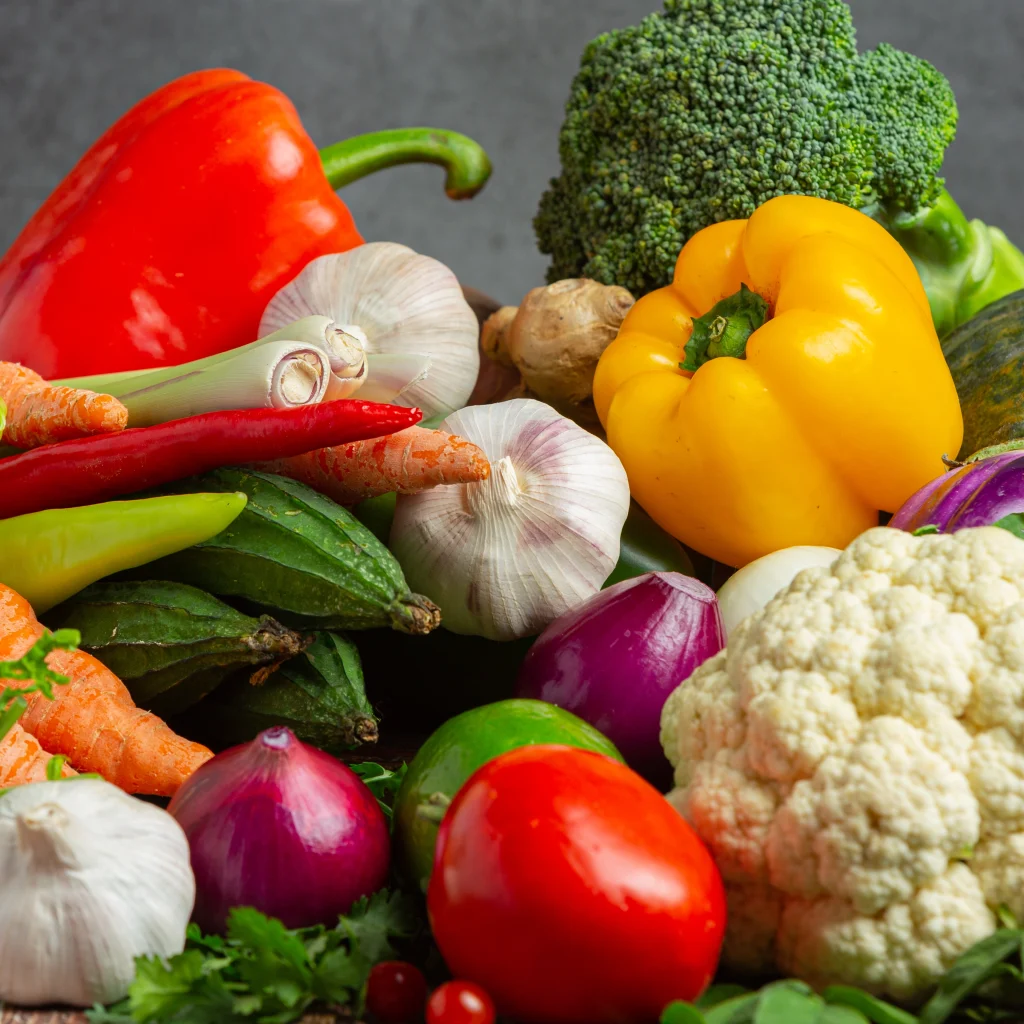
Vegetables supply fiber, vitamins (A, C, K, folate), minerals, and phytonutrients with anti-inflammatory and antioxidant effects. A high vegetable intake is linked to a lower risk of heart disease, certain cancers, and improved gut health.
What to buy:
- Leafy greens: spinach, kale, chard, arugula — nutrient-dense and low in calories.
- Cruciferous vegetables: broccoli, cauliflower, Brussels sprouts — contain glucosinolates linked to reduced cancer risk.
- Orange/red vegetables: carrots, sweet potatoes, bell peppers — rich in beta-carotene (supports eye health and immune function) and vitamin C (supports immunity and collagen production).
- Alliums: garlic, onions, leeks — associated with cardioprotective effects.
Suggestion: Try to choose fresh, seasonal vegetables whenever possible.
2. Fruits: A Natural Source of Fiber and Antioxidants
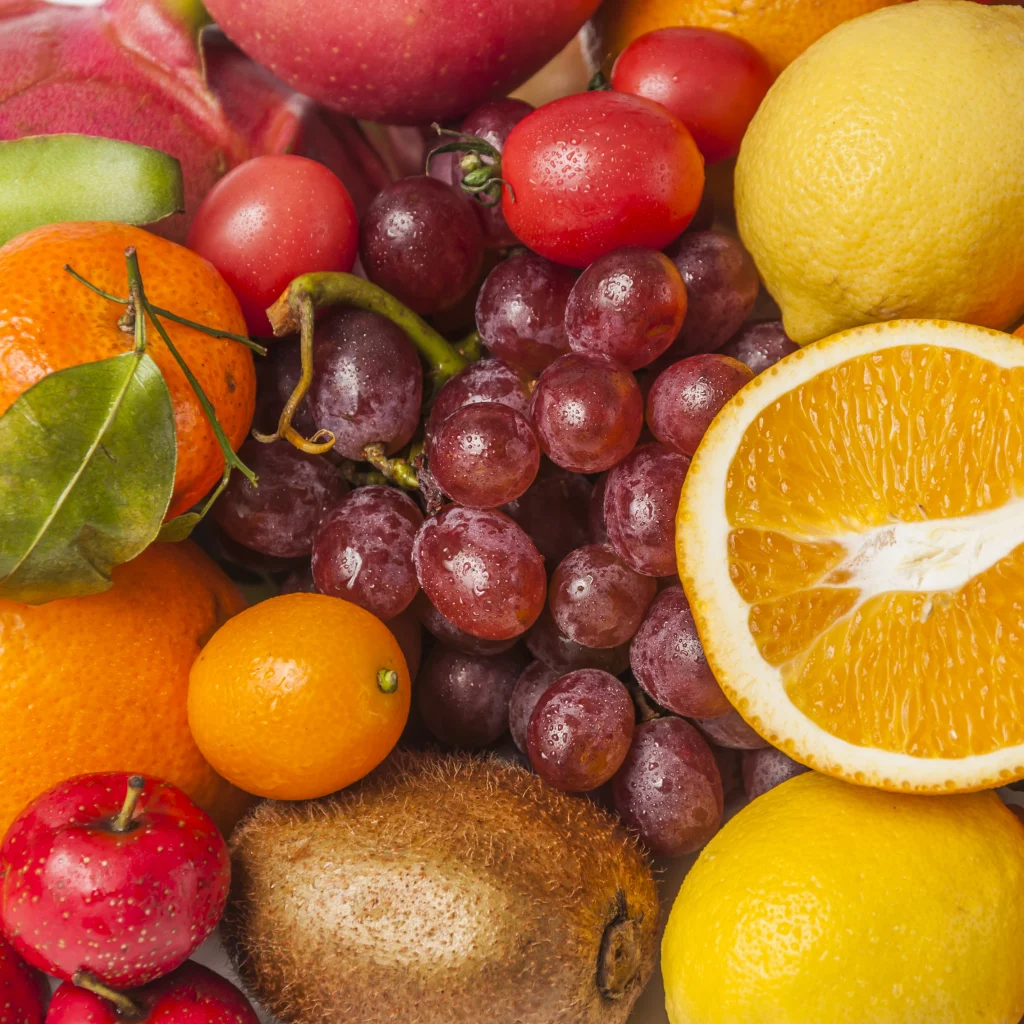
Regular fruit consumption is associated with lower blood pressure and reduced cardiovascular risk. Fruits are rich in fiber, which slows sugar absorption, and polyphenols—plant-based compounds with antioxidant and anti-inflammatory effects.
What to buy:
- Berries (blueberries, strawberries, raspberries) — high in anthocyanins and linked to improved vascular health.
- Citrus (oranges, mandarins, grapefruit) — provide vitamin C and flavonoids associated with vascular health, anti-inflammatory effects, and cognitive benefits.
- Apples, pears, kiwifruit, and seasonal fruit — support digestive health and overall micronutrient intake.
Suggestion: Prefer whole fruit over juice to retain fiber and reduce glycemic load.
3. Whole Grains: Steady Energy and Heart Health
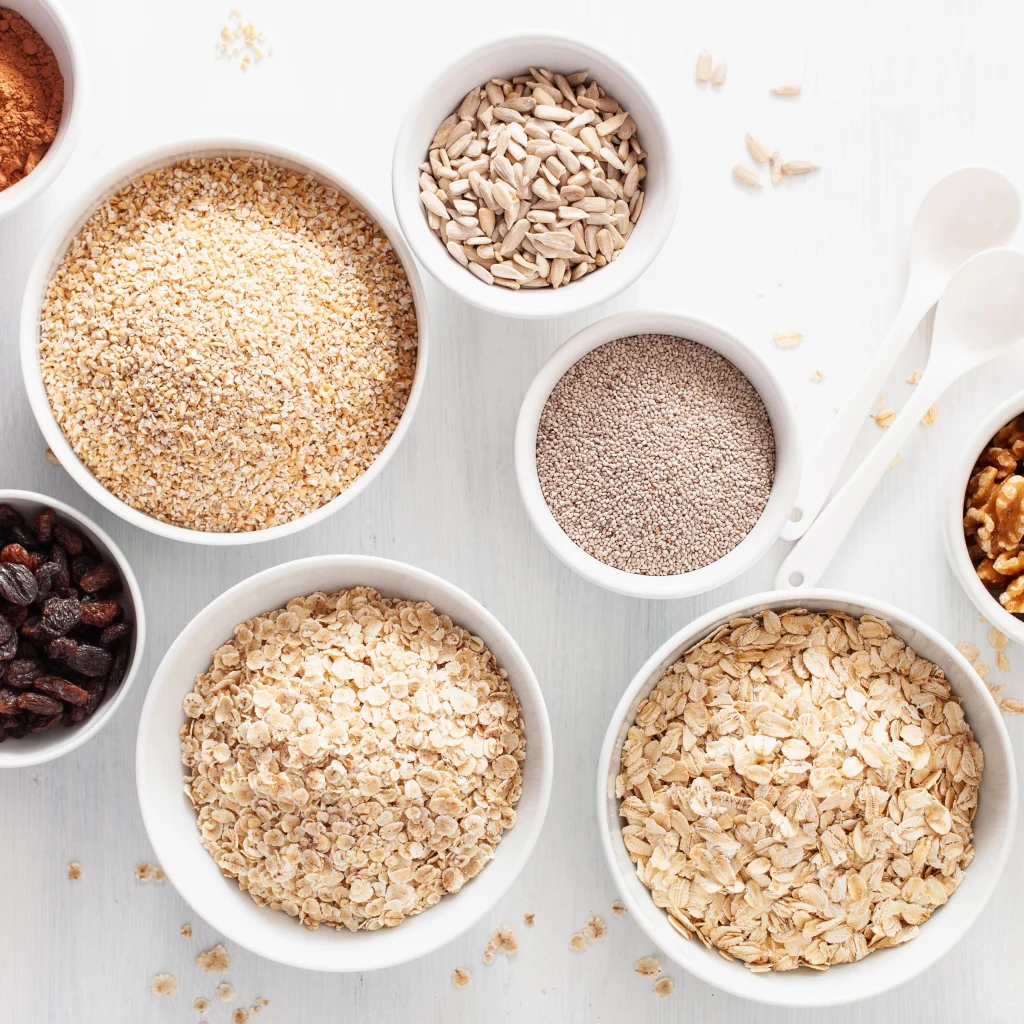
Whole grains help lower LDL cholesterol, improve satiety, and provide B vitamins, magnesium, and fiber.
What to buy:
- Brown rice, oats, quinoa, bulgur, barley
- Whole-grain bread, tortillas, or pasta
Suggestion: Gradually replace refined grains to improve adherence and digestive comfort.
4. Protein Sources: Supporting Muscle, Hormones, and Immune Function
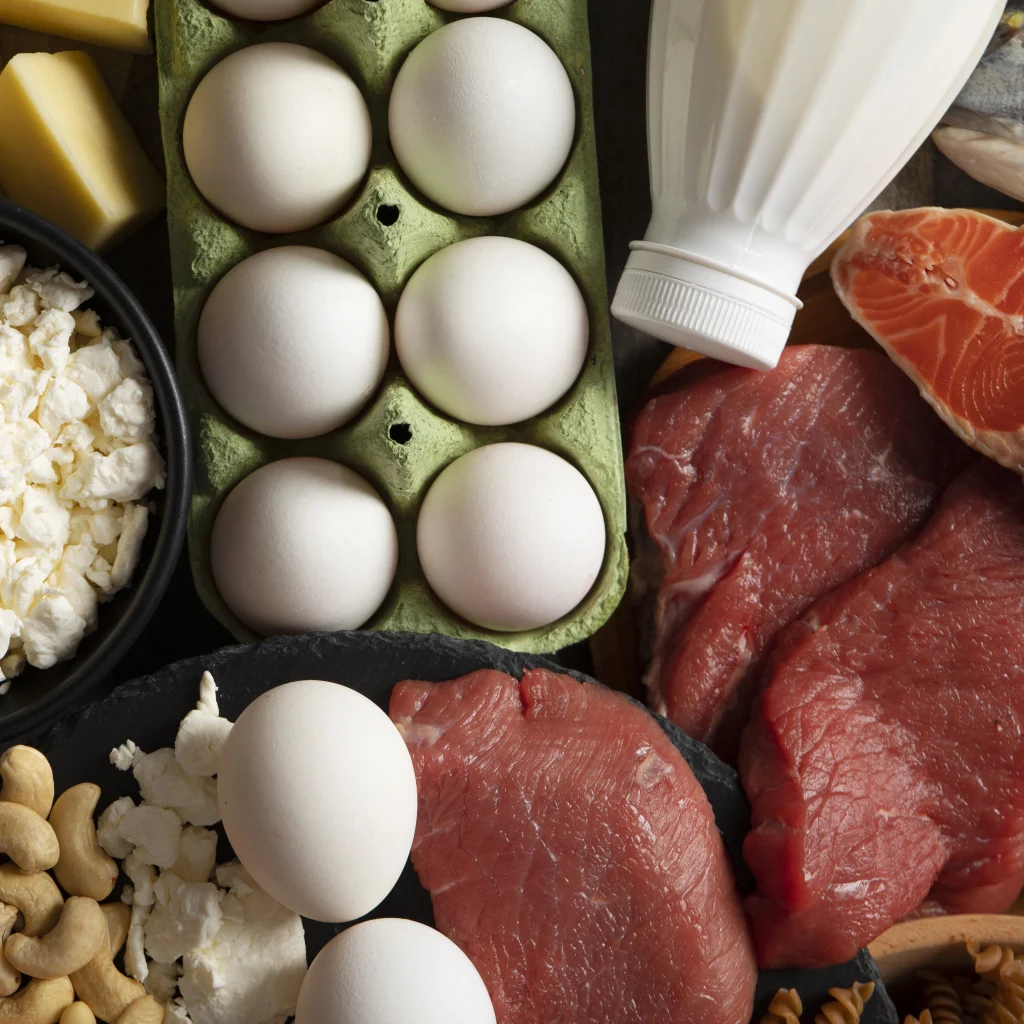
Adequate protein intake supports muscle mass, immune function, and satiety. Combining plant and animal proteins—ideally with a higher proportion of plant-based sources—can support heart health.
What to buy:
- Legumes: beans, lentils, chickpeas, split peas — fiber-rick plant protein linked to improved blood sugar control and lower LDL cholesterol.
- Lean animal proteins: fish, skinless poultry, eggs — provide high-quality protein and essential micronutrients like iodine and vitamin B12.
- Fatty fish: salmon, sardines, mackerel — rich in omega-3 fatty acids shown to reduce cardiovascular risk.
- Soy-based foods: tofu, tempeh, edamame — complete plant protein containing isoflavones with modest cholesterol-lowering effects.
- Nuts and seeds: almonds, walnuts, pumpkin seeds, chia, flax — healthy fats, plant protein, and minerals.
- Eggs: a complete protein source containing all essential amino acids, plus choline (important for brain and liver health), vitamin D, and B12.
Suggestion: Combining grains and legumes ensures a complete amino acid profile for plant-based eaters.
5. Healthy Fats: Essential for Cell and Brain Function
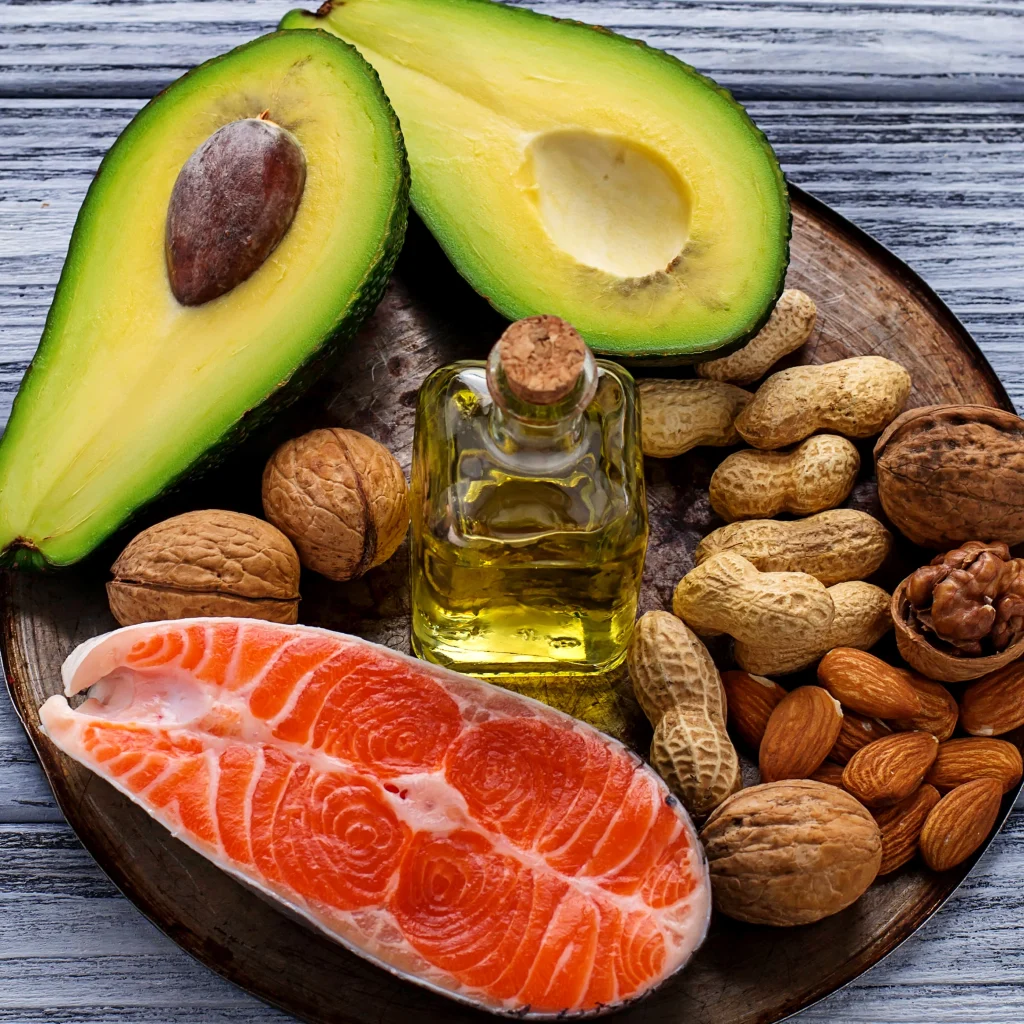
Unsaturated fats—both monounsaturated and polyunsaturated—help improve lipid profiles and reduce inflammation.
What to buy:
- Extra virgin olive oil
- Avocados — rich in monounsaturated fats and potassium
- Nuts and seeds — especially walnuts, chia, and flax for omega-3s
- Fatty fish — as listed above
Suggestion: Replace butter or shortening with plant oils or ghee when cooking.
6. Dairy and Fortified Alternatives: Calcium and Vitamin D

Adequate calcium intake supports bone health, while fortified foods can help meet vitamin D needs, which are often insufficient in modern diets.
What to buy:
- Plain yogurt or milk kefir — also a source of probiotics that support gut health.
- Milk or fortified plant-based beverages (soy, oat, almond); choose unsweetened versions.
- Cheese in moderation — opt for lower-sodium varieties.
Suggestion: If lactose intolerant, choose lactose-free dairy or fortified plant-based alternatives.
7. Herbs, Spices, and Flavor Enhancers

Herbs and spices enhance flavor without excess salt or sugar. Many contain bioactive compounds that support health by reducing inflammation, providing antioxidant effects, and supporting immune function.
What to buy:
- Fresh herbs: parsley, cilantro, basil, dill
- Dried spices: turmeric (curcumin), cumin, cinnamon, paprika
- Aromatics: garlic, onions, ginger — support digestion and have anti-inflammatory properties
8. Pantry Staples for Quick Balanced Meals
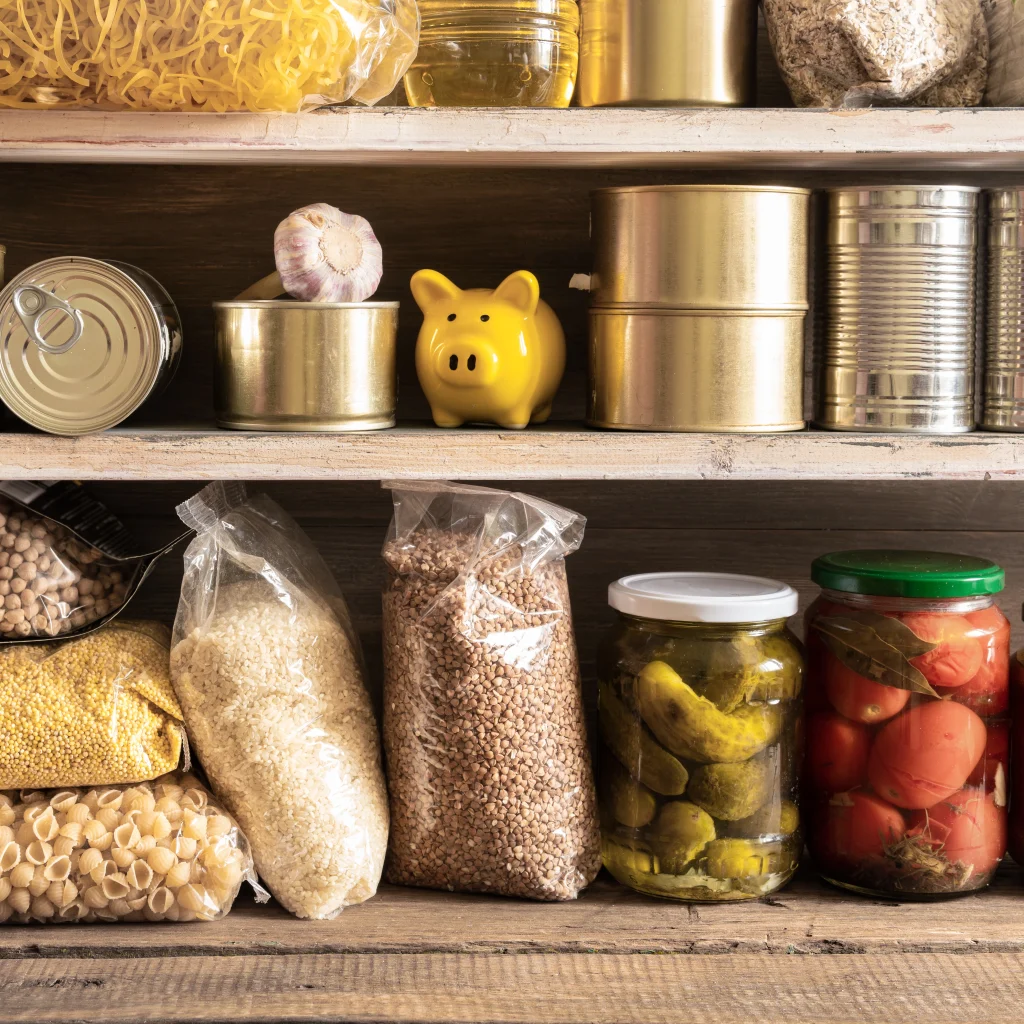
Keeping healthy pantry staples on hand makes it easier to prepare nutritious meals and reduces reliance on ultra-processed foods or takeout.
What to buy:
- Canned or vacuum-packed beans and lentils (low sodium)
- Canned tomatoes (no added salt)
- Low-sodium vegetable or chicken broth
- Whole-grain crackers or rice cakes
- Frozen vegetables and fruits
9. Hydration: The Unsung Nutrient

Adequate hydration supports circulation, cognitive function, and temperature regulation.
What to buy:
- Water (tap or filtered)
- Unsweetened tea for relaxation or digestive support
- Sparkling water without added sugars
Suggestion: Limit sugar-sweetened beverages, which are linked to increased metabolic disease risk.
10. What to Avoid (or Reduce)
- Highly processed foods: packaged snacks, sugary cereals, instant noodles — often high in salt, sugar, and unhealthy fats.
- Sugary beverages: soda, sweetened fruit drinks, energy drinks — associated with obesity, type 2 diabetes, and cardiovascular disease.
- Refined grains: white bread, pastries, and many commercial baked goods — low in fiber and quick to spike blood sugar.
- Excessive red or processed meats: sausages, bacon, hot dogs — linked to higher colorectal cancer and heart disease risk.
- Trans fats and hydrogenated oils: common in baked goods and fried foods — increase LDL cholesterol and inflammation.
- Excess sodium: heavily salted snacks, canned soups, and sauces — contribute to high blood pressure.
Closing Thoughts
Building a healthy grocery list is a powerful first step toward a balanced, sustainable eating routine. Stocking your kitchen with vegetables, fruits, whole grains, lean proteins, and healthy fats makes nourishing meals easier and more enjoyable. Combined with mindful hydration and limiting highly processed foods, these choices support better energy, heart and gut health, and long-term disease prevention.


