


Written by Matias Alonso
Medically reviewed by Maria Emilia Garralda (Gynecologist and Obstetrician, Expert in Sexual and Reproductive Health)
Art by Valentina Taraborelli
Why Your Pelvic Floor Matters
Most of us never think about our pelvic floor—until something goes wrong. Yet this small, powerful group of muscles quietly supports some of the most essential parts of our lives: bladder control, posture, and even sexual pleasure.
The pelvic floor sits at the base of your pelvis, forming a muscular “hammock” that supports the bladder, intestines, and—in menstruating people—the uterus. When these muscles are weak or tense, they can affect how your body functions—and how you feel.
How the Pelvic Floor Affects Women’s Health
For women or people with a uterus, the pelvic floor is naturally more vulnerable to strain. It endures a lot of stress during pregnancy, childbirth, and menopause, and if not properly strengthened, it can lead to issues such as urinary incontinence or pelvic organ prolapse.
Childbirth, in particular, is one of the most intense physical experiences a body can go through. Studies show that up to 91% of women with childbirth-related risk factors still have detectable pelvic floor injuries eight months after giving birth. These injuries often go unnoticed but can affect strength, stability, and comfort.
In the 1950s, gynecologist Arnold Kegel discovered the connection between this muscle group and urinary control—and developed the now-famous Kegel exercises to strengthen it. But Kegels are just one part of a bigger picture of pelvic health.
Everyday Habits to Support a Strong Pelvic Floor
The good news? You can take simple steps every day to keep your pelvic floor healthy.
- Maintain a healthy weight to avoid unnecessary pressure on your pelvis.
- Avoid overexertion during high-impact workouts that increase abdominal pressure.
- Limit stimulants like coffee, tea, and chocolate, which can irritate the bladder.
- Eat fiber-rich foods and stay hydrated to promote regular digestion and reduce strain.
Balance is key—your pelvic floor thrives when you move, rest, and breathe with awareness.
Yoga and Pilates Exercises to Strengthen Your Pelvic Floor
If you’ve ever struggled to “find” your pelvic floor, you’re not alone. These muscles are subtle and often hard to isolate. That’s why mindful movement practices like yoga and pilates can be so effective—they engage your core and pelvic floor naturally.
Here are some beginner-friendly poses and movements to try:
Yoga for Pelvic Floor Strength


- Bridge Pose (Setu Bandha): Strengthens your glutes and pelvic floor while gently opening your hips.
- Bird-Dog Pose (Parva Balasana): Improves balance and coordination while engaging your deep core.
- Child’s Pose Variations: Promote relaxation and awareness of the pelvic area.
Pilates for Pelvic Floor Control
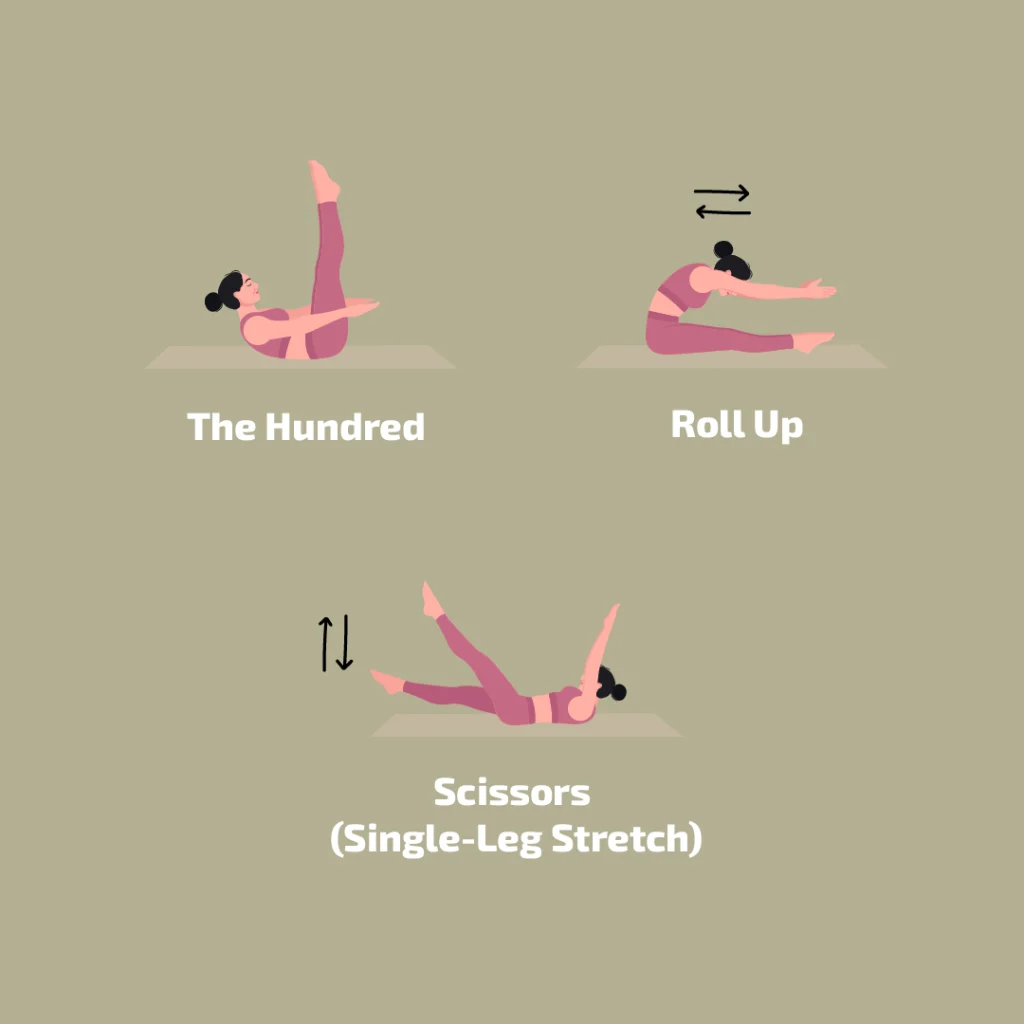
- Roll-Up: Strengthens the core and enhances spinal mobility, engaging the pelvic floor throughout the movement.
- The Hundred: A classic pilates move that improves endurance and deep abdominal engagement.
- Scissors (Single-Leg Stretch): Builds coordination, balance, and control through core and pelvic activation.
A simple awareness trick: next time you’re in the bathroom, try briefly stopping your urine flow midstream. Notice the muscles you engage—that’s your pelvic floor. (Just don’t make this a regular practice.)
Medical Support and Therapies
For those who need additional support, there are effective medical treatments designed to help you strengthen and retrain your pelvic floor.
- Biofeedback therapy uses sensors to help you identify and activate the right muscles.
- Pessary training involves small vaginal weights that gently train your muscles to contract and lift naturally.
- Surgical options may be considered in more severe cases, such as pelvic organ prolapse, to restore structure and function.
Your healthcare provider or pelvic floor therapist can guide you through the best options for your needs.
Pelvic Floor Therapy for Men
Pelvic floor therapy isn’t just for people with a uterus. In men or people with a penis, these muscles play a role in bladder control, sexual function, and overall stability. One of the most common issues urologists treat—premature ejaculation—can often improve significantly with pelvic floor training.
In fact, research shows that strengthening these muscles can increase ejaculatory control from under a minute to over two minutes on average. It’s a simple, drug-free approach that supports both physical and emotional confidence.
When Muscles Get Too Tight
Just like any other muscle, the pelvic floor can also become too tense or overworked. This can cause pain, discomfort, or a constant feeling of pressure.
To relax the area:
- Try gentle massages or warm baths.
- Practice deep breathing and relaxation stretches.
- Stay sexually active (if comfortable), as this can naturally improve circulation and release tension.
Overcoming the Taboo
Perhaps the biggest barrier to pelvic health is not physical—it’s emotional. Many of us feel shame or embarrassment when talking about our intimate areas. But awareness is the first step toward healing.
Learning to connect with your pelvic floor without judgment helps you understand your body better—and take charge of your well-being.
Your pelvic floor deserves attention, just like your heart, mind, or muscles. When you care for it, you’re investing in strength, confidence, and quality of life—at every stage.
In short, pelvic floor therapy isn’t just about physical rehabilitation—it’s about awareness, empowerment, and connection. The more you know your body, the better you can care for it.


