Written by Sofia Campos
Medically reviewed by Isabela Sorgio (Nutritionist, Mindful Eating Specialist)
Some of the best wellness practices are also the simplest and most ancient. In a world where gut health plays a key role in digestion, immunity, and even mood, sauerkraut is a small daily habit that can make a meaningful difference.
Sauerkraut is finely shredded cabbage mixed with salt and left to ferment. During this natural process, the cabbage’s sugars are converted into lactic acid, giving sauerkraut its tangy flavor, long shelf life, and a boost of beneficial ferments. It was first made in China over 2,000 years ago and later became a staple in German and Eastern European cuisine. Today, it’s valued as a natural source of vitamins and minerals that become even more available to the body through fermentation.
Research shows sauerkraut—like all fermented foods—may help nourish the microbiota, support digestion, strengthen immunity, and promote overall health. If it contains live cultures (check the label), it can be a daily gut-friendly ritual worth keeping in your kitchen.
Science-Backed Benefits of Sauerkraut
- Nutrient-dense – Rich in vitamin C, vitamin K, fiber, and iron.
- Digestive support – Live bacteria help balance the gut microbiome and may improve comfort and regularity. Sauerkraut also provides fiber, supporting healthy, more regular bowel movements.
- Immune support – A healthier gut equals a stronger immune system; vitamin C and iron add extra benefit.
- Weight balance – Low in calories and high in fiber, it helps keep you full longer.
- Gut–brain connection – Fermented foods may help reduce stress, lift mood, and support memory.
- Cellular protection – Compounds formed during fermentation, including antioxidants, may help suppress the growth of precancerous cells. Some studies link higher sauerkraut and cabbage intake to a lower risk of breast, colon, and other cancers, though more research is needed.
- Heart wellness – Fiber and probiotics may help lower cholesterol and support healthier blood pressure. Sauerkraut is also a rare plant source of vitamin K2, a nutrient believed to reduce calcium buildups in arteries.
- Bone strength – Vitamin K2 also helps guide calcium into bones, supporting bone health over time.
Note: Sauerkraut is naturally high in sodium, so enjoy it in balanced portions—especially if you’re watching your salt intake.
How to Make Sauerkraut at Home
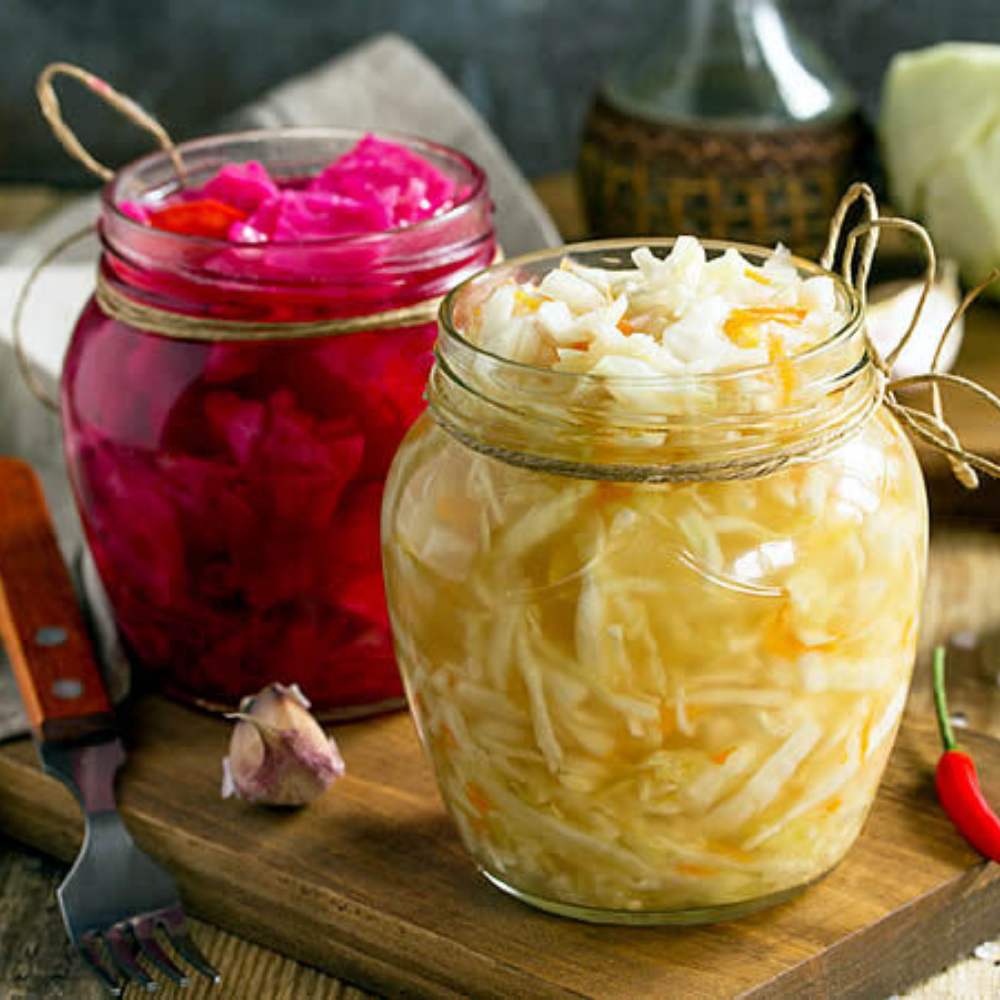
You only need two ingredients: cabbage and salt. Fermentation does the rest.
Ingredients
- 1 medium green cabbage (about 2 pounds / 900 g)
- 1 ½ tablespoons sea salt (non-iodized)
(This follows roughly the 2% salt ratio used in traditional fermentation.)
Instructions
- Prep the cabbage – Remove outer leaves and core. Shred finely with a knife or mandoline.
- Salt and massage – Place shredded cabbage in a large bowl. Sprinkle salt and massage for 5–10 minutes until it releases liquid (the brine).
- Pack the jar – Transfer cabbage and brine into a clean, dry glass jar. Press firmly so the liquid rises above the cabbage. Leave at least 2 inches of space at the top.
- Add a weight – Place a clean weight (a small jar or a folded cabbage leaf) on top to keep the cabbage submerged.
- Cover – Loosely cover with a lid or cloth to let gases escape.
- Ferment – Leave at room temperature for 1–4 weeks. Taste after a few days; it should become tangy and slightly sour.
- Store – When it reaches your preferred flavor, seal and refrigerate. It keeps for several months.
Even a few forkfuls a day can offer benefits, but start small to let your gut adjust to the extra probiotics.
Easy and Delicious Ways to Add Sauerkraut to Your Meals

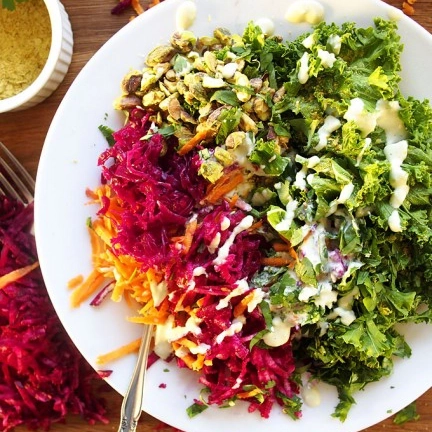
- As a side with eggs or roasted vegetables
- On avocado toast for crunch and tang
- Mixed into salads or grain bowls
- As a topper for sandwiches and wraps
- With rice, beans, or grilled veggies (a great everyday pairing)
A Small Habit with Big Gut Health Benefits
Homemade sauerkraut is affordable, easy to prepare, and packed with live cultures that support your gut and overall well-being in ways fresh cabbage can’t. Adding just a little each day can nurture your microbiome, strengthen your body, and bring centuries-old wisdom to your modern plate.